- 10 Things to Do in Fort Kochi for First-Time Visitors
- Best Backwater Resorts in Kerala: What Makes Kollam Different from Alleppey
- Kerala Honeymoon Itinerary: 5 Days of Backwaters, Hills & Heritage
- Ayurvedic Retreat in Kerala: What to Expect During Your First Visit
- Yoga & Meditation Retreats in Kerala: Why Backwater Resorts Are Ideal
- Ayurveda in the Hills: What a Genuine Prana Spa Experience Actually Involves
- Kochi, Munnar, or Kollam: Which Kerala Destination Should You Visit First?
- Yoga in the Hills: What Morning Yoga in Munnar Actually Feels Like?
- Wellness Travel vs Regular Tourism: Why More Travellers Are Choosing Healing Holidays
- Sunrise Kayaking on Paravur Lake: What to Expect
- How a Yoga Retreat Helps in Stress Relief & Detox
- Best Summer Holiday in Kerala: How to Beat the Heat with Infinity Pools, Backwater Bliss, and Hill Station Cool at Fragrant Nature
- Best Family Resorts in Kerala 2026
- Where to Stay in Fort Kochi: A Guide to Luxury Heritage Hotels
- Summer at Ashtamudi Lake: Luxury Backwater Stay with Infinity Pool and Scenic Views
- Candlelight Dinner Experiences in Munnar for Honeymoon Couples
- Top Romantic Experiences to Enjoy During a Munnar Vacation
- Luxury Summer Holidays in Kerala: Where Comfort Meets Nature
- Why Kerala is the Perfect Summer Holiday Destination in India
- Beat the Heat: Why Kerala’s Backwaters Are a Summer Paradise
- Ayurveda & Wellness Retreats in Kerala This Summer
- Best Beach Resorts in Kerala to Stay in 2026
- Best Things To Do In Varkala Beach, Kerala, India
- Best Honeymoon Resorts In Kerala For Couples
- Best Ways to Spend Valentine’s Day in Kerala with Your Partner
- Experience the Wonders of Jatayu Earth Center
- Luxury Backwater Resorts in Kerala for a Premium Holiday Experience
- Kerala Ayurveda: Your Guide to Authentic Wellness Retreats
- Best Yoga Retreats in Kerala for Mind and Body Renewal
- 10 Places To Visit Near Kochi Within 50 KM
- Munnar to Thekkady: A Hill Drive With Its Own Mood
- Best Tourist Attractions in Kerala 2026
- Top 10 Cold Places in Kerala to Escape the Summer Heat
- Kerala Tourism in 2026: Places to Visit in Kerala & Top Tourist Attractions
- Places to Visit in Kollam: A Complete Guide to Top Attractions, Tourist Places & Things to Do in Kollam
- Thekkady Sightseeing Guide: Discover the Best Places to Visit, Top Attractions & Things to Do in Thekkady
- Kochi to Munnar Travel Guide: How to Reach, Best Route, Distance & Options
- Beaches in Kochi: A Complete Guide to the Top Coastal Attractions
- 8 Best Things To Do in Kollam
- Why Fragrant Nature Is Ideal for a Honeymoon Trip in Kerala
- 10 Hidden Gems to Explore in Munnar
- Best Time to Visit Kochi Biennale and Where to Stay
- Experiencing the Kochi
- Places to Visit in Munnar in 3 Days
- Places to Visit in Kochi in Two Days
- From Backwaters to Hilltops: What Excites More in Kerala?
- A Luxurious Kerala New Year: From Backwaters to Hilltops at Fragrant Nature Resorts
- December in Kerala: A Journey of Sunshine, Festivity, and the Fragrant Nature Experience
- Where Wellness Meets Luxury: Your Perfect Winter Retreat at Fragrant Nature.
- Best Honeymoon Destinations in Kerala
- Munnar – Famous Tourist’s Spot
- Neelakurinji in Munnar
- Vasco da Gama Square
- Top Tourist Places to Visit in Kollam
- Munnar- Kashmir of South India
- Munnar- Tea Plantations
- Spice Route - Fort Kochi
- Welcome to the Queen of Arabian Sea, Kochi
- Places to Visit in Kollam
- Ashtamudi Lake, Kollam
Ayurvedic Retreat in Kerala: What to Expect During Your First Visit
Ayurveda became part of Kerala’s culture around the third or fourth century. Vaidayas passed this knowledge from the generation to the next, and climate and medicinal plants are traditionally believed to support Ayurvedic treatments.
It has been a part of Kerala’s tradition for centuries, and many travellers head to an Ayurvedic retreat in Kerala to experience this wellness practice. Many first-time visitors soon find the retreat relaxing and helpful.
What Ayurveda Actually Is
According to Ayurveda, there is a strong relationship between the mind and body. Stress, poor sleep, unhealthy food and hectic lifestyle can disturb the body’s balance,So Ayurvedic treatments are designed to maintain the balance and overall well-being.
Types of Ayurvedic Treatments You Can Expect
Many believe Ayurveda works best during the monsoon. The weather is more straightforward for moving around the state, and quality retreats remain effective during this period even without the monsoon advantage.
Consultation Process with Ayurvedic Specialists
Choosing the best Ayurvedic Retreat in Kerala depends on the quality of care and treatments. The description covers a wide range. At one end, there are dedicated wellness centres with resident physicians, herbal oils prepared under medical supervision, and food designed specifically around treatment. At the other end, there are hotels with a spa menu that borrows Sanskrit terminology and therapists who completed a short course. The difference in what you actually experience is not minor.
Four questions cut through most of the ambiguity before you book. Is there a qualified Ayurvedic specialists living and working on the property? Does every guest have a personal health consultation before the first treatment? Is food for wellness guests prepared separately from the standard restaurant menu? Are the herbal oils selected and overseen by a medical practitioner? Clear answers matter when choosing a retreat. Fragrant Nature offers different experiences in Kollam, Kochi, and Munnar.
Typical Daily Routine at an Ayurvedic Retreat
The first consultation is important, and most guests know their concerns. Many guests find it difficult to explain their symptoms after arrival. Jet lag and travel fatigue can make details easy to forget. Write them down before you travel.
Also Read: Ayurveda in the Hills: What a Genuine Prana Spa Experience Actually Involves
Pulse diagnosis is part of the consultation process. The doctor checks different points on the wrist to understand the guest’s condition. The process is simple and quiet, and helps create a treatment plan based on the guest’s needs.
Treatments You Can Expect
Abhyanga — Synchronised Herbal Oil Massage
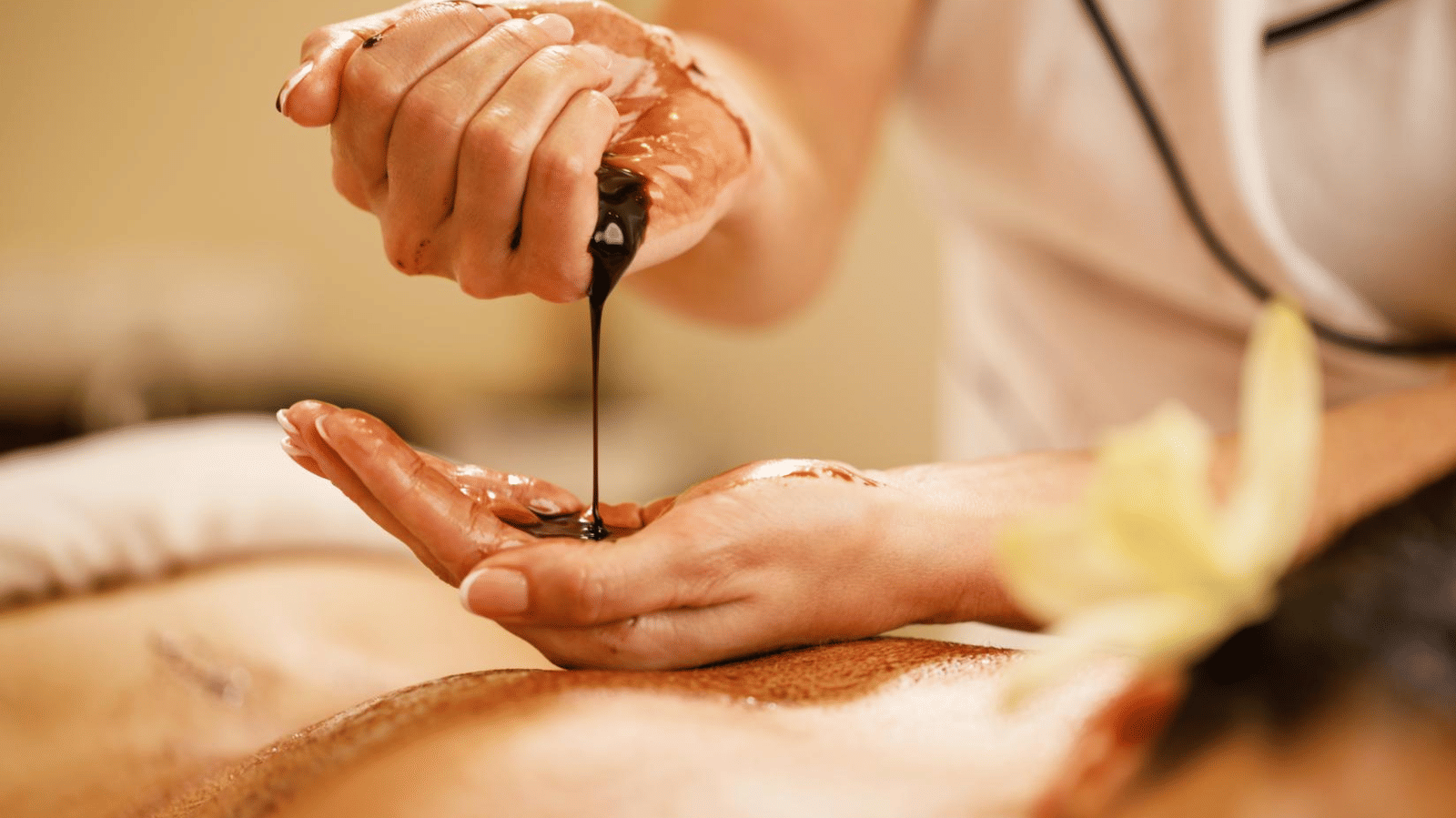
Two therapists work together using smooth, coordinated strokes that follow the body’s natural circulation. The oil is warm and chosen specifically for the guest's constitution, not a standard preparation applied uniformly. A session runs forty-five minutes to an hour. The pace does not vary, and the steady rhythm helps many guests relax deeply and simply let go. A significant number of guests fall asleep without meaning to. After the session, many guests feel deeply rested and physically relaxed, a deep physical ease that holds through the afternoon and tends to improve that night's sleep more than anything else does.
Shirodhara — Continuous Forehead Oil Flow
Warm herbal oil moves in a steady, unbroken stream across the centre of the forehead, from side to side, at a temperature that is measured carefully throughout. The session is quiet, with a steady and continuous flow of warm oil. People arrive not quite sure what to make of it and generally stop thinking about that within a few minutes. Many guests describe feeling mentally calmer and refreshed after the session. It tends to outlast the session by several hours.
Pizhichil — Warm Oil Immersion
Two therapists work across the full body with warm medicated oil for up to sixty minutes. The treatment is primarily for people carrying diffuse physical tension but not a specific injury in one location, but general muscle tightness and joint stiffness distributed throughout the body. It is thorough and unhurried, and most guests feel refreshed and physically comfortable afterward.
Kati Vasti — Lumbar Oil Treatment
Black gram dough is shaped into a sealed ring around the lower spine, forming a small reservoir directly above the lumbar vertebrae. Warm medicated oil fills that reservoir and sits against the deep tissue. The oil is kept warm during the thirty to forty-five-minute session. This treatment is particularly relevant for the kind of chronic lower back pain that has been managed with stretching and physiotherapy and painkillers without ever quite resolving. Many guests report reduced stiffness and improved comfort after the treatment, and the effect builds gradually through the session rather than arriving at a single identifiable moment.
Nasyam — Nasal Channel Therapy
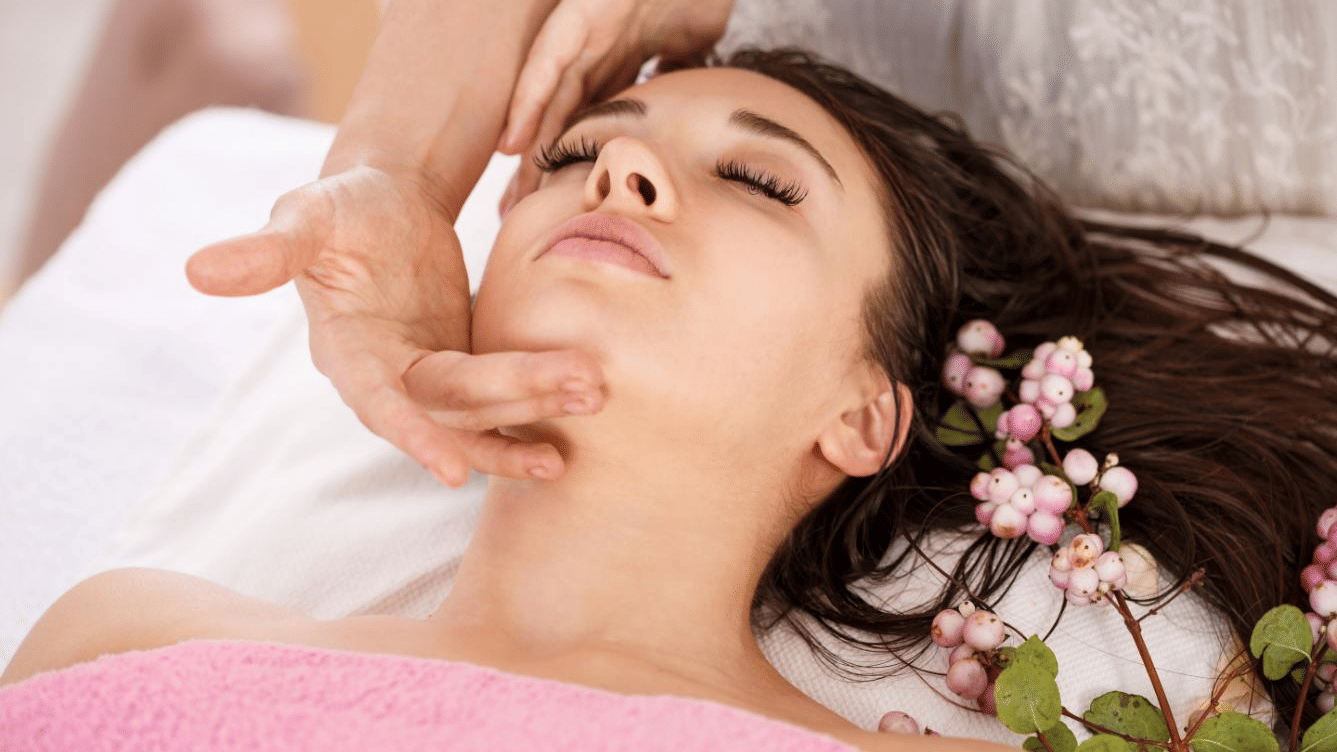
A facial massage and steam treatment prepare the nasal passages, after which medicated oil is introduced through the nostrils. The treatment is gentle, simple, and usually takes about twenty minutes. The effects come later: breathing that feels clearer, a head that feels less weighted, and a reduction in the sinus pressure that many people carry so habitually they have forgotten it is there.
The Food: Why It's Simple and Why That's the Point
Retreat meals are simple and light, and many guests soon feel better. At Fragrant Nature Kollam, ingredients are grown without pesticides and prepared separately for wellness guests. The meals are simple and easy to digest.
A Day at the Retreat — How It Runs
Morning begins before most guests are ready for it. Yoga at seven or half seven, slow, breath-led, and accessible to people who have not practised recently. At Kollam this takes place beside the lake. At Munnar it faces the valley. At Kochi it happens in the courtyard of a heritage property. The peaceful setting adds to the experience.
The first treatment session follows mid-morning. What happens after the session matters as much as the session itself; rest is prescribed, not recommended. Rest after treatment is important and helps guests relax fully. Guests who use the post-treatment window to answer emails or walk around the property are working against their own programme, and experienced practitioners will say so plainly.
Afternoons carry no particular obligation. Some guests have a second treatment, while others simply rest, take a walk around the grounds, a slow boat trip on Paravur Lake at Kollam, or tea on the balcony with nothing in particular to do. The slower routine is part of the experience. By evening, most guests feel naturally tired and go to bed much earlier than usual. Most guests quickly adjust to the early routine. After that it stops being something to resist.
Practical Questions, Direct Answers
Will any of the treatments hurt? No. Discomfort during a session means something needs to be adjusted. Tell the therapist. It gets fixed immediately.
Do I need to follow any belief system? No. Ayurveda aims to support a healthy body and mind. Many guests feel relaxed after Shirodhara. None of that requires agreement with ancient cosmology.
Also Read: Yoga & Meditation Retreats in Kerala: Why Backwater Resorts Are Ideal
What if I have a medical condition? Share your medical condition during the consultation. The doctor will choose suitable treatments for your needs.
How long should I stay? A single day is an introduction. Many visitors notice changes within days, with bigger improvements after five to seven days.
Some things shift during the retreat itself. Many guests sleep better within the first few nights. They also often notice less pain and steadier energy during the retreat. Other changes surface more gradually. Many visitors leave feeling refreshed and mentally settled.
Booking Your First Visit
Fragrant Nature's Prana Wellness Spa runs the full range of classical Ayurvedic programmes across all three properties, Abhyanga, Shirodhara, Pizhichil, Kati Vasti, Nasyam, Panchakarma, and others. Every programme begins with a personal consultation. Kollam is peaceful, Kochi offers city life, and Munnar has cool mountain views.
Experience an authentic Ayurvedic Retreat in Kerala with Fragrant Nature.