Munnar Monsoon Guide for Gulf Travellers: What to Expect from June to September

For travellers from the UAE, Saudi Arabia, Qatar, Kuwait, Oman, and Bahrain, Kerala's monsoon season offers something refreshingly different. Instead of soaring summer temperatures and bustling tourist crowds, Munnar transforms into a peaceful mountain retreat wrapped in mist, lush greenery, and refreshing rain.

Between June and September, this picturesque hill station becomes one of Kerala's most captivating destinations. Tea plantations shimmer with fresh rain, waterfalls flow at their fullest, and every drive reveals landscapes painted in vibrant shades of green.

If you're looking for a luxurious escape where nature takes centre stage, Fragrant Nature Munnar offers the perfect balance of comfort, elegance, and authentic Kerala hospitality. Here's everything Gulf travellers should know before planning a memorable monsoon holiday.
 

monsoon in munnar

Why Monsoon Is One of the Best Times to Visit Munnar

Munnar during monsoon is a different destination altogether. The southwest monsoon transforms these hills between June and September, deepening the green of 12,000 hectares of tea gardens and reviving every stream and waterfall in the Western Ghats.

For travellers from the UAE, Saudi Arabia, Qatar, Kuwait, Oman, and Bahrain, the timing is ideal. The monsoon coincides with the Gulf's harshest summer months and the school holiday season — and Kochi International Airport, your gateway to Munnar, is just a four-hour direct flight from most GCC hubs.

The contrast is the point. You leave behind glass towers and air conditioning, and within hours you're wrapped in a shawl on a private balcony, watching clouds move through a valley below you.
 

Munnar Weather from June to September

Munnar's monsoon weather in brief: daytime temperatures of 15–22°C, frequent rain showers (heaviest in June and July, tapering through September), high humidity, and near-constant mist at higher elevations.

  • June: The monsoon arrives with dramatic first rains. Expect heavy showers, especially in the evenings, with lush landscapes emerging within days.
  • July: The wettest month. Waterfalls like Attukad and Lakkam reach peak flow. Mornings often clear briefly — perfect for plantation walks.
  • August: Rainfall eases into rhythmic afternoon showers. This is arguably the sweet spot: full greenery, fewer downpours.
  • September: The monsoon retreats. Skies alternate between mist and sunshine, and the hills glow in their richest post-rain colour.

pexels-abi-vm-2153057608-32535592 (1)
munnar tea plantation

What Gulf Travellers Should Pack

Coming from the Gulf's dry heat, the cool, damp hill climate calls for a different suitcase:

  • Light woollens and layers: evenings can dip to 13–15°C
  • A quality waterproof jacket and compact umbrella
  • Anti-slip walking shoes for wet trails and plantation paths
  • Quick-dry clothing rather than heavy cottons
  • Modest, warm attire works naturally here; Munnar's climate suits full-length clothing year-round
  • Power bank and waterproof phone pouch for misty viewpoint photography

Best Monsoon Experiences in Munnar

Tea Plantations in the Rain

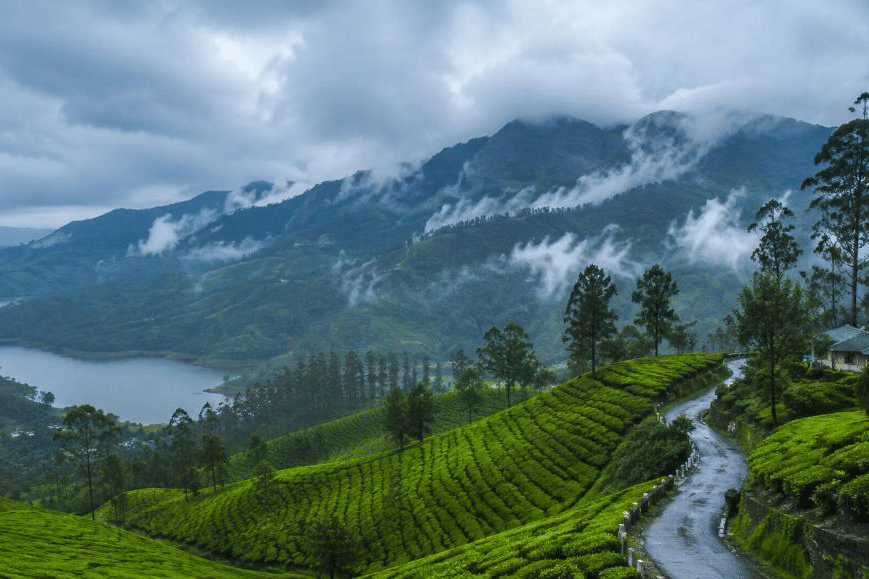
Walking through rain-washed tea gardens is Munnar's signature monsoon experience. The Kolukkumalai and Lockhart estates offer guided walks, and the aroma of wet tea leaves is something no photograph captures.

Waterfalls at Full Force

Attukad, Lakkam, Cheeyappara, and Valara waterfalls are at their thundering best between July and September. Many are visible right from the roadside on the Kochi–Munnar route.

Misty Viewpoints

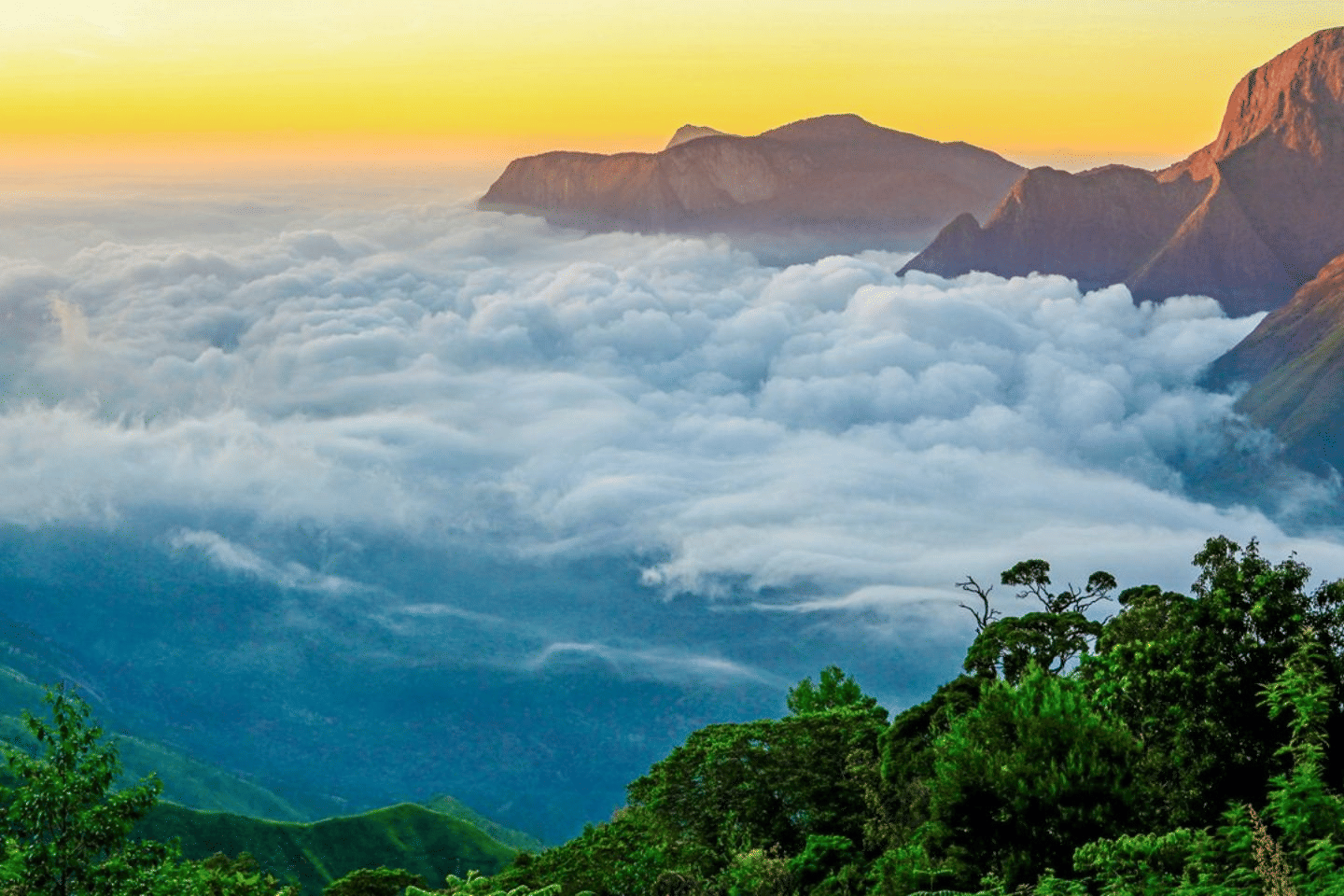
Pothamedu, Top Station, and Echo Point become theatrical during monsoon — clouds part and close like curtains over the valleys. Early mornings offer the clearest windows.

Gentle Monsoon Treks

Shorter, guided trails around Pallivasal and Chithirapuram remain safe and rewarding in the rains, with leech socks and a local guide recommended.

Ayurvedic Wellness

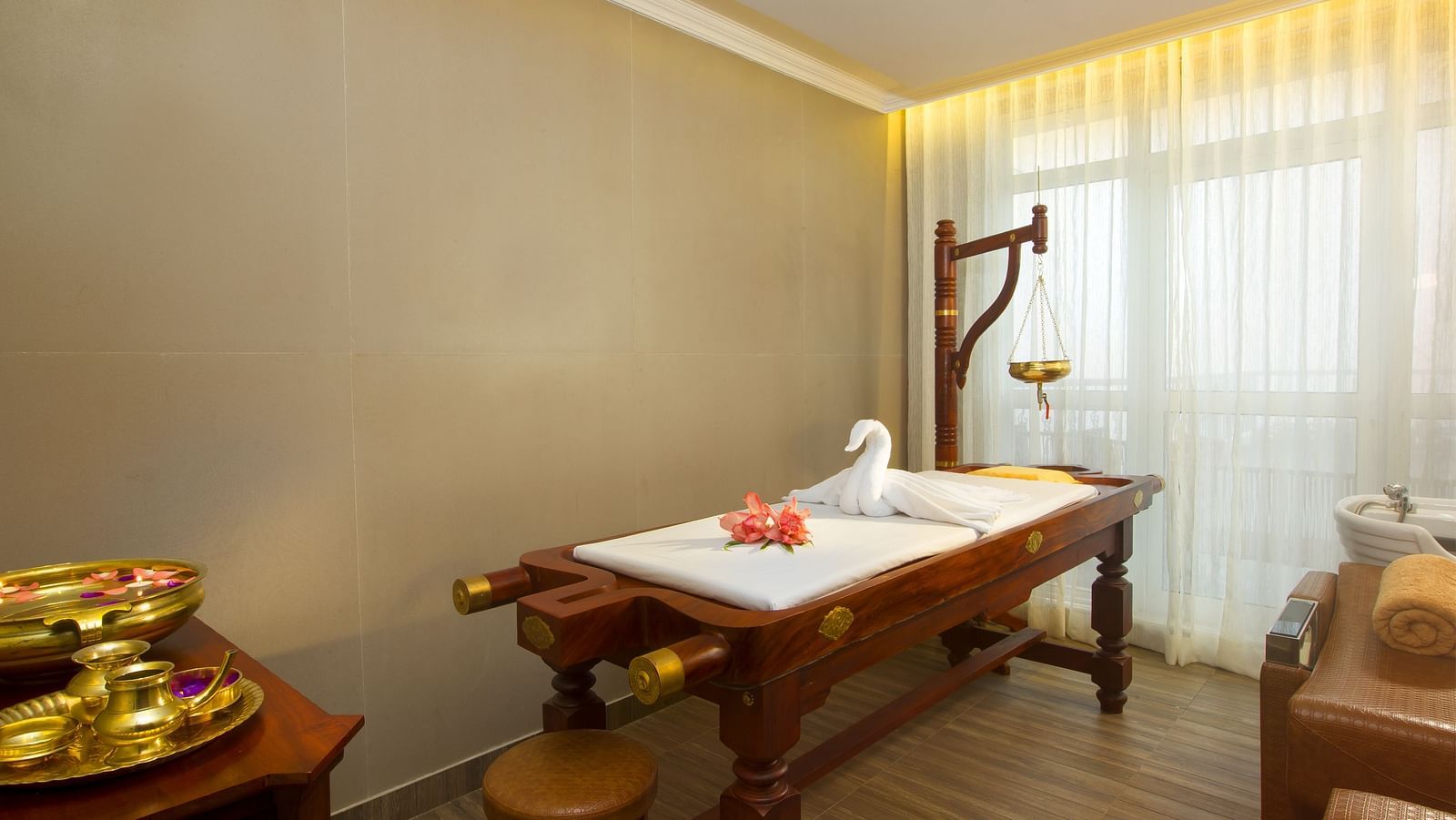
Monsoon is traditionally considered the ideal season for Ayurveda in Kerala. The cool, moist climate opens the body to rejuvenation therapies — a signature reason many Gulf guests time their visit for these months.

Kerala Cuisine, Monsoon Edition

Hot pazham pori (banana fritters), cardamom-laced chai, pepper-rich Malabar curries, and fresh-caught river fish — monsoon is when Kerala's kitchen is at its most comforting.

Monsoon vs Peak Season: Why the Rains Win

Is monsoon better than peak season in Munnar? For many travellers, yes — monsoon (June–September) offers 30–40% lower room rates, dramatically fewer crowds, the greenest landscapes of the year, and full-flowing waterfalls, while peak season (December–February) brings drier weather but heavy tourist traffic.

You'll have viewpoints nearly to yourself, restaurant tables without waits, and the flexibility to book premium suites that sell out months ahead in winter.

Check Out Monsoon Offers at Fragrant Nature Hotels
top-station-munnar-tourism-header
monsoon in kerala

Safety and Travel Tips During the Rainy Season

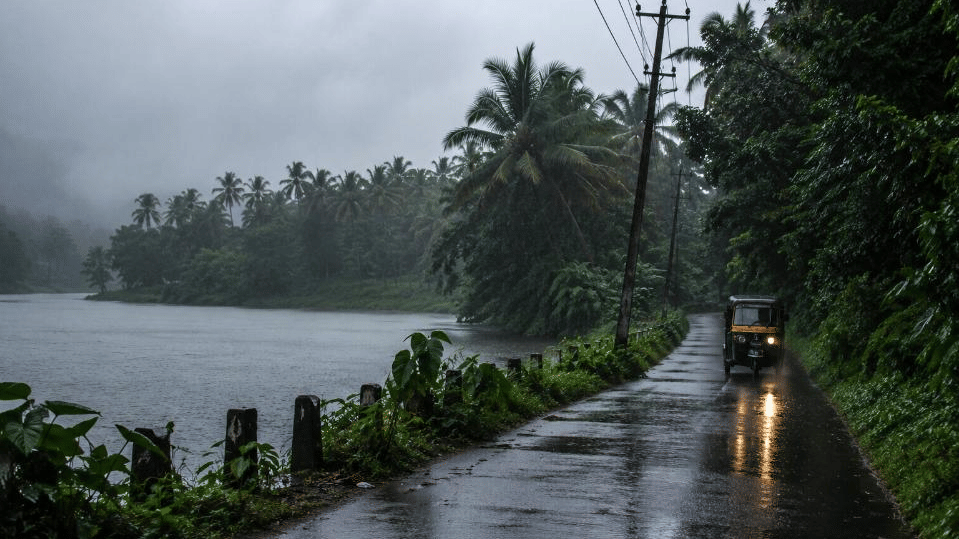
  • Drive by day: The Kochi–Munnar ghat road (about 4 hours) is safest in daylight; arrange an experienced hotel chauffeur.
  • Check trail conditions with your hotel concierge before trekking; some routes close after heavy rain.
  • Carry a basic medical kit and insect repellent.
  • Keep buffer time in your itinerary — rain delays are part of the rhythm here.
  • Travel documents: GCC residents can use India's e-visa system; apply online before flying.

Attractions Near Fragrant Nature Munnar

From the resort, you're well placed for:
  • Attukad Waterfalls — minutes away, spectacular in monsoon
  • Pothamedu Viewpoint — sunrise mist at its finest
  • Tea Museum, Nallathanni — Munnar's plantation history indoors, ideal for rainy afternoons
  • Eravikulam National Park (note: closed part of monsoon for calving season — check dates)
  • Mattupetty Dam and Kundala Lake — scenic drives between showers

Eravikulam National Park Blog 1 Image 5
013  1st set

Why Fragrant Nature Munnar Is Your Ideal Monsoon Retreat

Monsoon travel is only as good as the place you return to when the rain sets in. Fragrant Nature Munnar is designed for exactly these hours — expansive rooms with framed valley views, warm Kerala hospitality attuned to Gulf guests, dining that moves from international comfort food to authentic local flavours, and wellness experiences rooted in genuine Ayurvedic tradition.

Watch the mist from your suite. Take your chai on the balcony. Let the rain do what it does best: slow you down.

Conclusion: Trade the Heat for the Mist

The Gulf summer will still be there when you return. Munnar's monsoon won't wait — it's a four-month window when Kerala's most beautiful hill station is at its most alive and most peaceful.

Book your monsoon escape directly with Fragrant Nature Munnar for the best available rates, flexible cancellation, and personalised planning from our concierge team — from airport transfers to rain-day itineraries. Your balcony, your chai, and the mist are waiting.

Frequently Asked Questions

Is Munnar worth visiting during monsoon?
Yes. From June to September, Munnar is at its greenest, waterfalls flow at full force, crowds are minimal, and room rates drop significantly — ideal for travellers seeking scenery and serenity over sightseeing checklists.

How do I reach Munnar from the GCC?
Fly direct to Kochi International Airport (about 4 hours from Dubai, Doha, or Riyadh), then take a 4-hour scenic drive to Munnar. Hotel-arranged vehicles are recommended during monsoon.

Does it rain all day in Munnar during monsoon?
No. Rain typically comes in spells — often heavier in afternoons and evenings — leaving clear windows in the mornings for plantation walks and sightseeing.

What is the temperature in Munnar from June to September?
Daytime temperatures range from 15°C to 22°C, dropping to around 13–15°C at night — a dramatic relief from Gulf summer heat.

Is monsoon a good time for Ayurveda in Kerala?
Yes. Traditional Ayurvedic practice considers the monsoon (Karkidakam season) the most effective time for rejuvenation therapies, as the cool, humid climate enhances treatment benefits.

Is Munnar safe for families during the rainy season?
Yes, with sensible planning. Stick to daylight travel, choose guided activities, and stay at a full-service resort that can advise on daily conditions.
 

Continue your booking